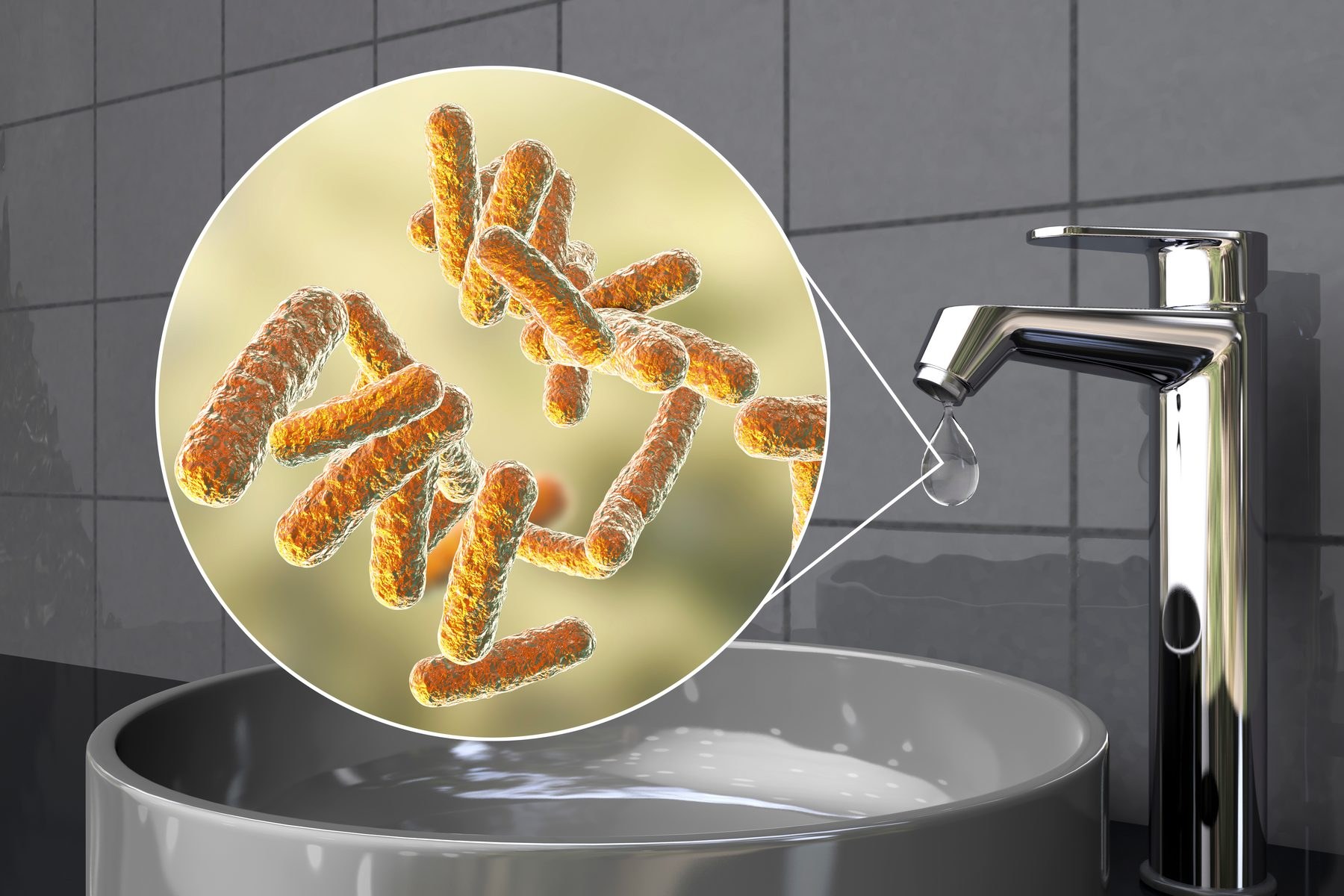
Harmful bacteria in water: which ones and how to remove them?
You may not know it, but millions of invisible creatures live and thrive in the water you drink. Assuming that the water from your tap is well disinfected and cleaned is not always wise. The quality of the materials in water systems deteriorates over time, older pipes can harbour bacteria and your water may contain dangerous pathogens.
Most micro-organisms are harmless and contribute to a number of important processes, such as digestion. However, there are also micro-organisms that can cause diseases, or that can be harmful to people with reduced resistance.
Harmful organisms in drinking water
Disease-causing organisms in drinking water can be divided into three groups: bacteria, viruses and parasitic protozoa.
- Viruses are the smallest form of micro-organisms that can cause diseases. To continue to guarantee safe drinking water, new virus infections at home and abroad are closely monitored. Legally required risk analyses for properly functioning drinking water treatment plants are also carried out.
- Bacteria are typically single-celled organisms and are a natural component of water. Although some bacteria are useful and harmless, there are bad bacteria that cause disease and discomfort in humans, animals or plants. Common harmful bacteria are: Escherichia Coli (also known as E. Coli), Campylobacter Jejuni, Pseudomonas, Salmonella and Legionella Pneumophila.
- Protozoan parasites are single-celled micro-organisms. They are closely related to the biofilm in water (pipes) and feed on solid food, algae and bacteria. Several species of protozoan parasites are spread in a dormant, protected form as a cyst or oocyst. As a cyst, these pathogens are resistant to disinfection with chlorine. They can be removed by means of, for example, filters and/or chlorine dioxide.
Management of harmful organisms
- Water companies use various techniques to meet the prescribed standards regarding water quality. They guarantee that the water entering buildings and companies is of good quality, but give no guarantee about the water quality at the tapping points inside the buildings. That is why a secondary water disinfection is often applied. Some of the most commonly used methods of water disinfection to kill bacteria in drinking water are: UV technology, chlorine, chlorine dioxide, hydrogen peroxide and ozone.
See also related articles
For more information: send your question to info@konax.com, or speak with our specialists at the following number: +32 (0)51 31 43 93
← Back to all articles