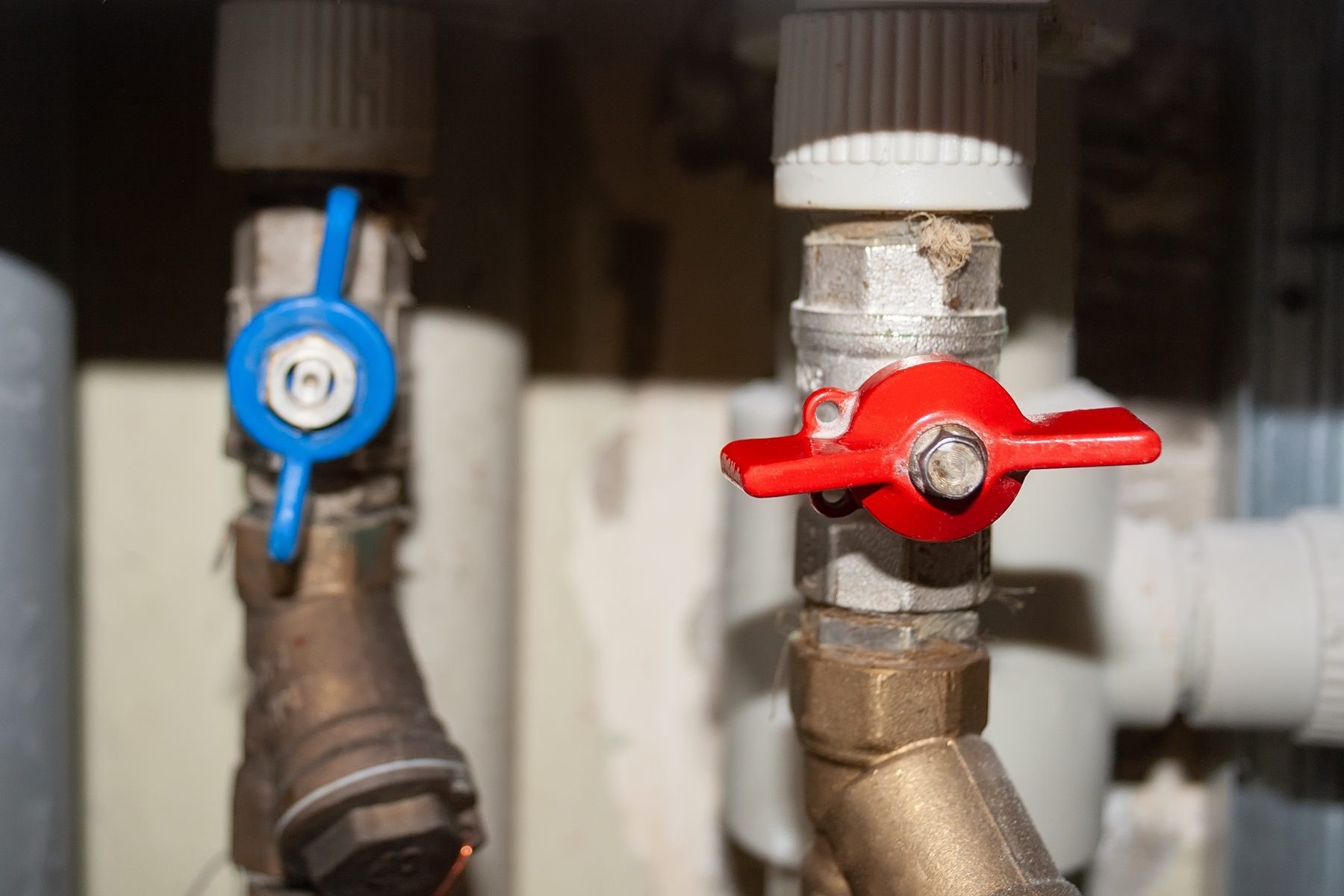
Legionella in hot water and cold water pipes
The growth of bacteria is mainly linked to lukewarm and warm water.
As such, a lot of attention is paid to controlling temperatures in the hot water pipes and bacteriological checks in the context of Legionella are carried out mainly on the hot water pipes. Yet it increasingly appears that persistent problems with legionella are related to contamination in the cold water pipes.
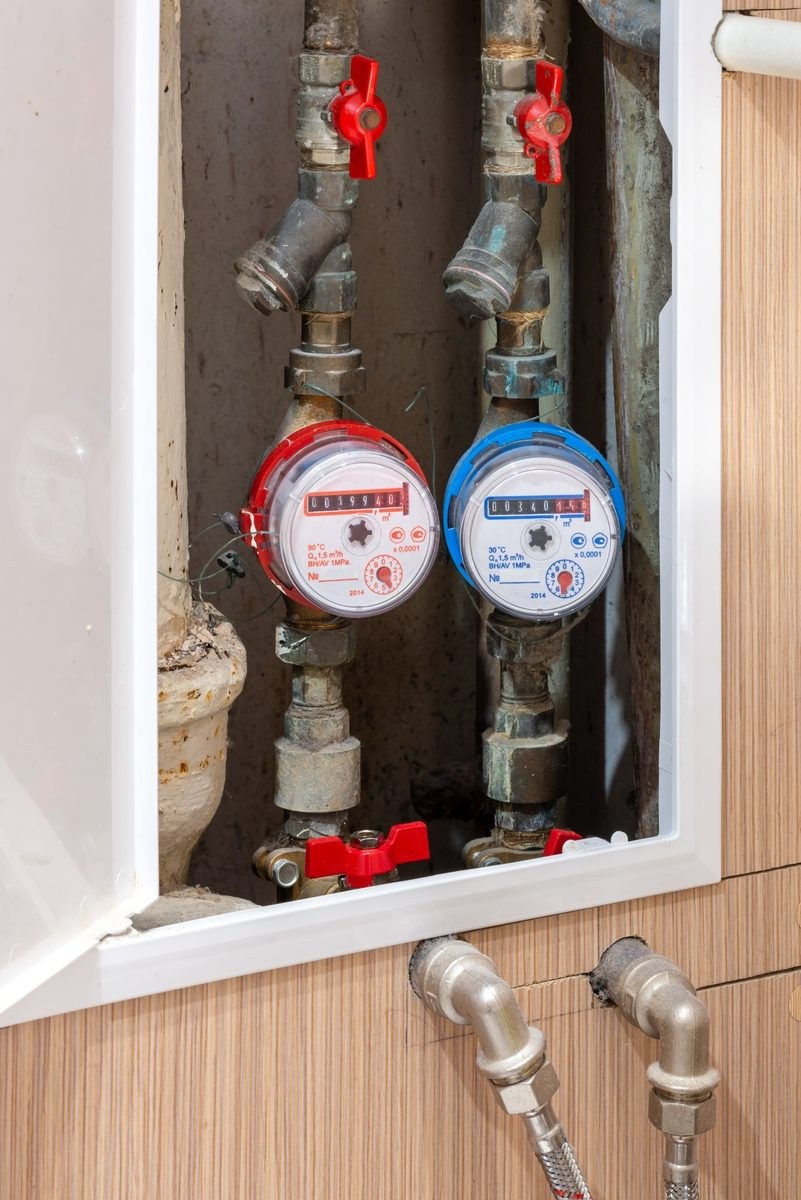
Measurements show that the cold water in these pipes is often not cold enough:
- In warmer periods (hot summers with prolonged high outside temperatures), we often see excessively high water temperatures in the cold water circuit.
- Cold and hot water pipes are often too close together without the necessary insulation, resulting in heat exchange between the two circuits.
- The risk of higher temperatures also increases with the increasing length of the pipes.
Once the cold water temperature rises above 20°C, there is a greatly increased risk of legionella growth. Most guidelines often refer to 25°C, but from the point of view of the legionella bacterium itself, 20°C is a critical tipping point.
The risk of legionella growth in the cold water pipes also increases with the age of the pipe network. Pipes older than 10 years are more susceptible to biofilm formation because the surfaces are rougher.
This biofilm is then an excellent medium for the development of bacteria. Unlike hot water pipes, no heat shocks can be carried out on the cold water pipes to kill (legionella) bacteria.
Here is an overview of the most feasible solutions:
- Flushing the cold water pipes helps to temporarily reduce colony formation in bacteria to a harmless level (but cannot rule out regrowth)
- Checking and eliminating cross-connections (= undesirable connections between pipes with different types of water & water sources).
- Additional insulation of the cold water pipes
- Additional insulation of the hot water pipes, especially if they are located near the cold water pipes
- Disinfecting the cold water circuit. Take into account here both the PT5 registration (= safe use in drinking water) and the approval as an alternative management measure. Both are necessary!
- Removing biofilm (= breeding ground and protective layer for bacteria). In certain cases this can be done with the same product used for disinfection.
see also our related articles:
- Alternative Legionella management in hot water systems
- Why and how to disinfect drinking water?
- Safe sanitary pipes
- How does chlorine dioxide work
- Harmful bacteria in water
- Legionella symptoms - Legionnaires' disease
For more information, send an email to info@konax.com or speak with our specialists at +32 51 31 43 93
← Back to all articles